

Low Waste Tuckshop

Waste
Creating a low waste tuckshop in your school
Creating a low waste tuckshop in 7 easy steps
1. Audit current waste
The first step is understanding the current situation. Schools should conduct a waste audit of their tuckshop to identify the types and volumes of waste generated. This can be a student-led activity to raise awareness and gather real data. Focus on:
- Packaging waste (plastic wrappers, cling film, sauce sachets)
- Food waste (leftovers, spoiled stock)
- Single-use items (cutlery, straws, napkins)
Once the major waste streams are identified, targeted solutions can be developed.
2. Rethink packaging
Most tuckshop waste comes from food packaging. Transitioning to reusable or compostable alternatives is crucial.
- Reusable containers: Encourage students to bring their own lunchboxes or containers. Some schools implement a container return system where food is served in reusable dishes collected and washed daily.
- Compostable packaging: Where reusables are not practical, use certified compostable paper or bioplastic packaging.
- Bulk purchasing: Buy snacks and ingredients in bulk to minimise individual wrappers. Repackage items on-site using wax wraps or paper bags if needed.

3. Go plastic-free
Replace single-use plastics with sustainable alternatives:
- Swap plastic cutlery for compostable options and only provide upon request.
- Eliminate plastic straws; offer paper ones only on request.
- Replace cling film with beeswax wraps for in-house prepared foods.
Many Australian schools partner with organisations like Plastic Free Schools Australia to help implement these changes.
4. Minimise food waste
Food waste is not only an environmental issue but also a financial one. Strategies to reduce it include:
- Menu planning: Keep menus simple and based on what sells to avoid excess food preparation.
- Smaller portion sizes: Offer half-size portions for younger students to reduce uneaten food.
- Leftover redistribution: Partner with local food rescue groups or allow students to take leftovers home.
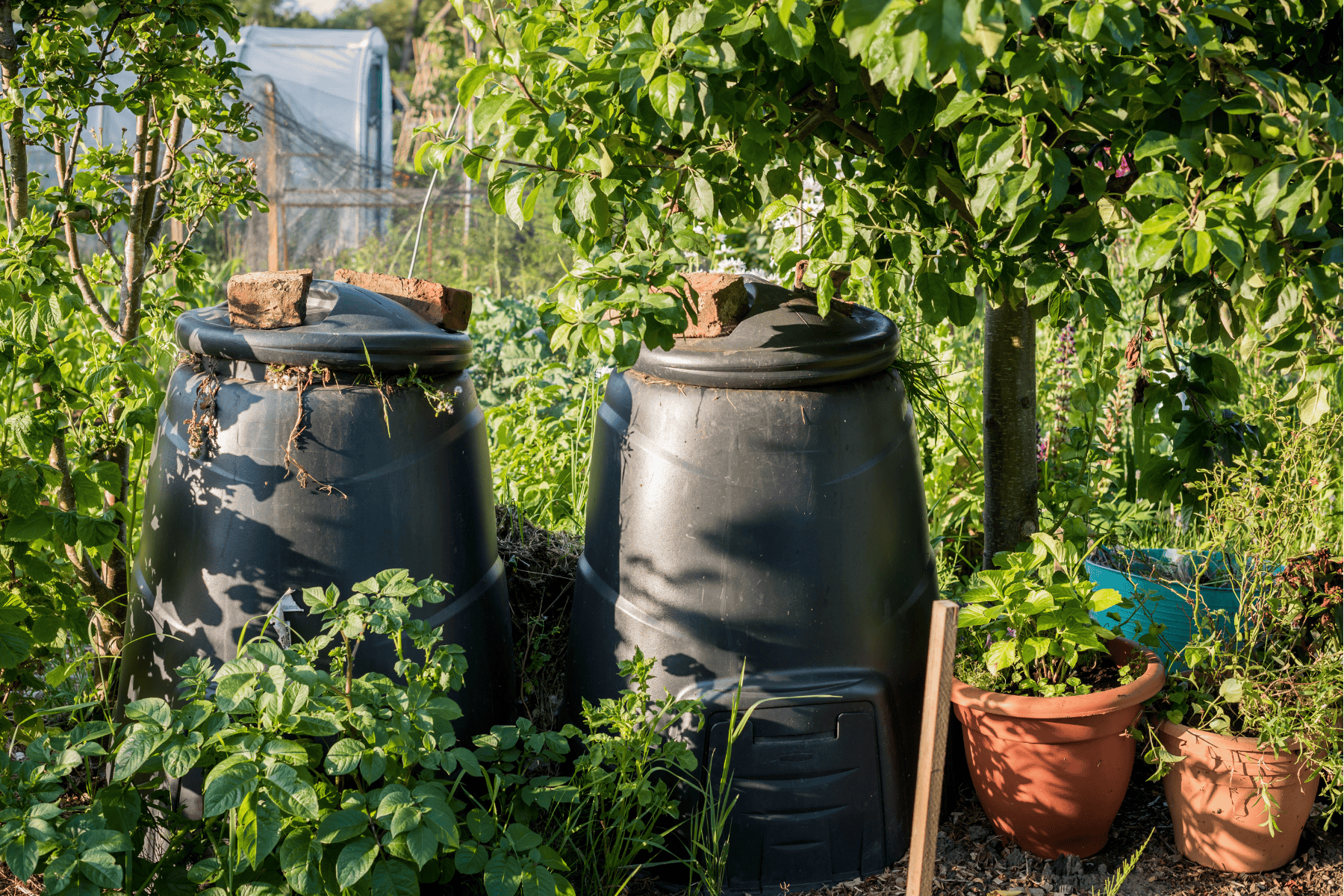
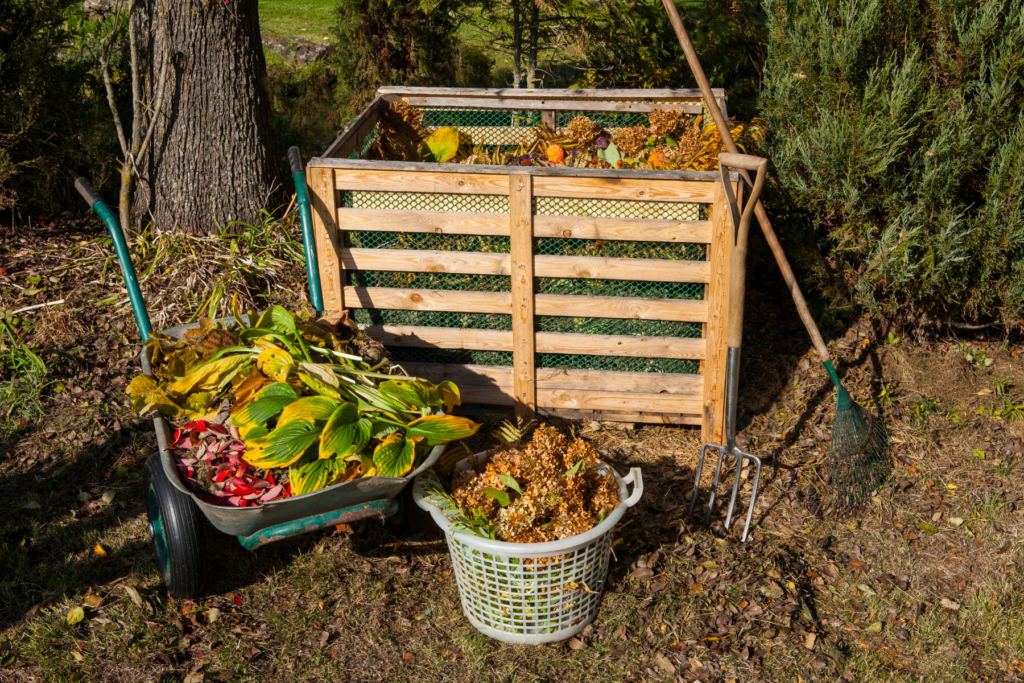
- Composting systems: Set up an on-site compost bin for fruit peels, vegetable scraps, and other organic waste.
5. Engage the school community
A successful low-waste tuckshop relies on the involvement of the entire school community:
- Education: Teach students about the environmental impact of waste through classroom lessons and tuckshop involvement.
- Volunteers: Engage parents and staff in helping run a sustainable tuckshop, particularly during the transition phase.
- Student leadership: Form an eco-committee or “green team” to champion waste reduction projects.
6. Partner with local suppliers
Support local businesses that align with sustainability values:
- Choose suppliers who offer minimal or recyclable packaging.
- Work with local growers or producers to source fresh, seasonal ingredients.
- Reduce food miles and support the community economy at the same time.


7. Track progress and celebrate wins
Monitor changes in waste output and share results with the school. Whether it’s a reduction in rubbish bags collected or increased compost volumes, tracking progress keeps momentum strong and highlights the impact.
- Display progress charts in the canteen or newsletter.
- Celebrate milestones with events or incentives for students.
A tuckshop for the future
Transitioning to a low-waste or zero-waste tuckshop takes time, planning, and cooperation—but the rewards are significant. Not only does it reduce the school’s environmental footprint, but it also nurtures a generation of environmentally conscious Australians. With small, manageable steps, every school can take part in building a more sustainable future.