

Composting

Biodiversity
Worm farms and compost systems
Starting worm farms and compost systems
These practices not only reduce waste, but produce valuable outputs in the form of compost and worm castings that can soil quality in school gardens.
Composting versus worm farms
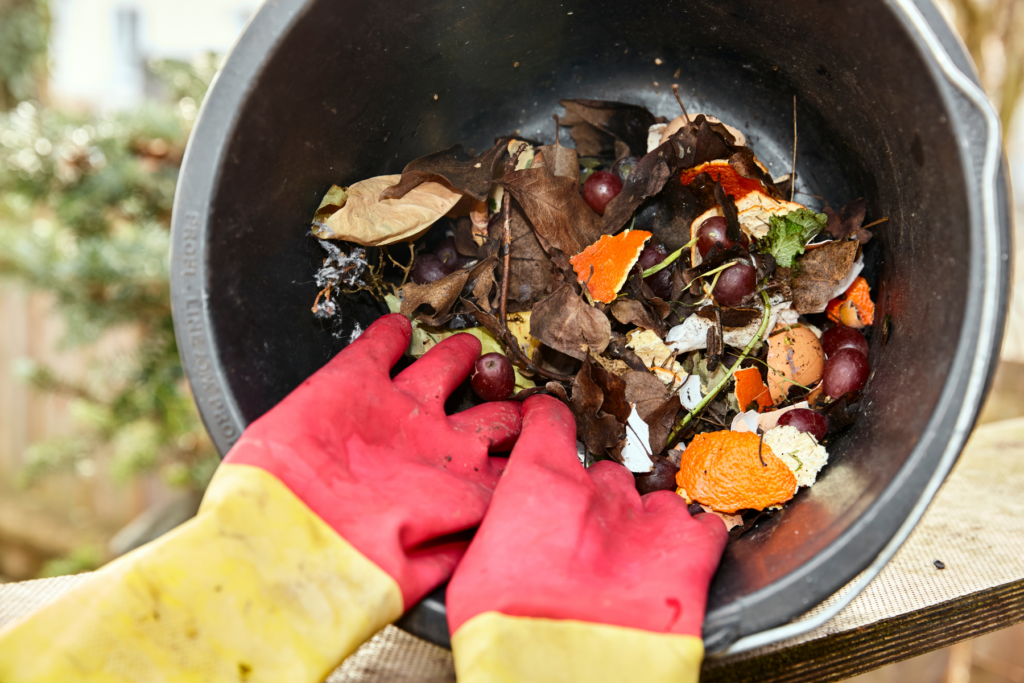
Composting is the processing of organic matter into a nutrient-rich mixture that can used to enrich and improve soils. When organic waste is disposed of in landfill, it is buried under other waste and decomposes anaerobically (without oxygen), which produces a significant volume of methane (a potent greenhouse gas), as well environmentally harmful leachate. By introducing a compost system in your school, you can reduce the CO2e emissions from your organic waste by 50%!
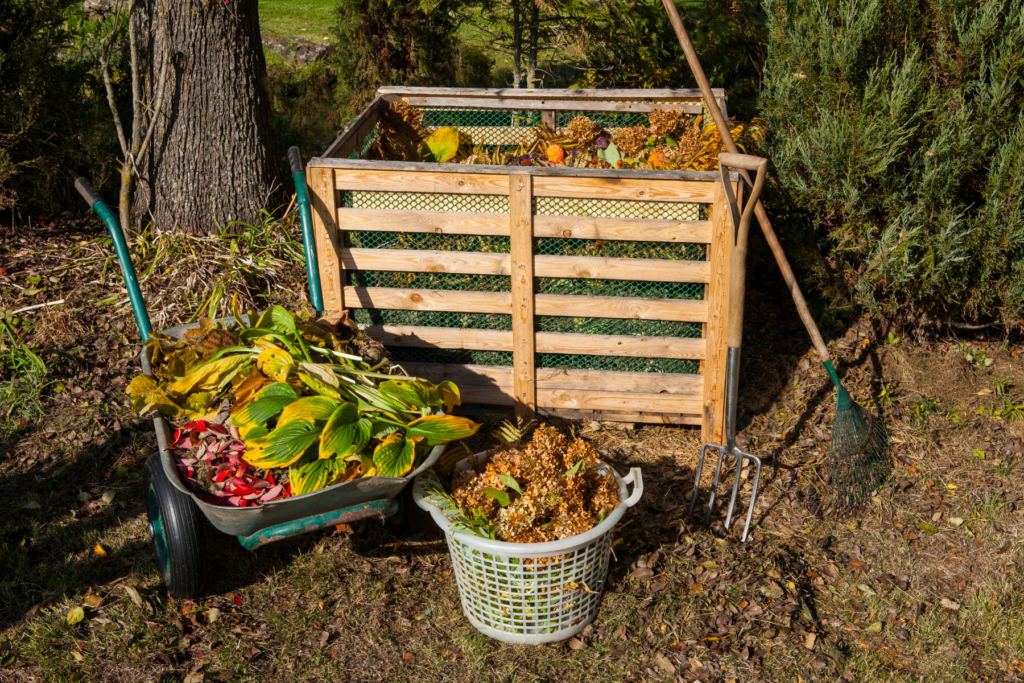
Types of compost systems:
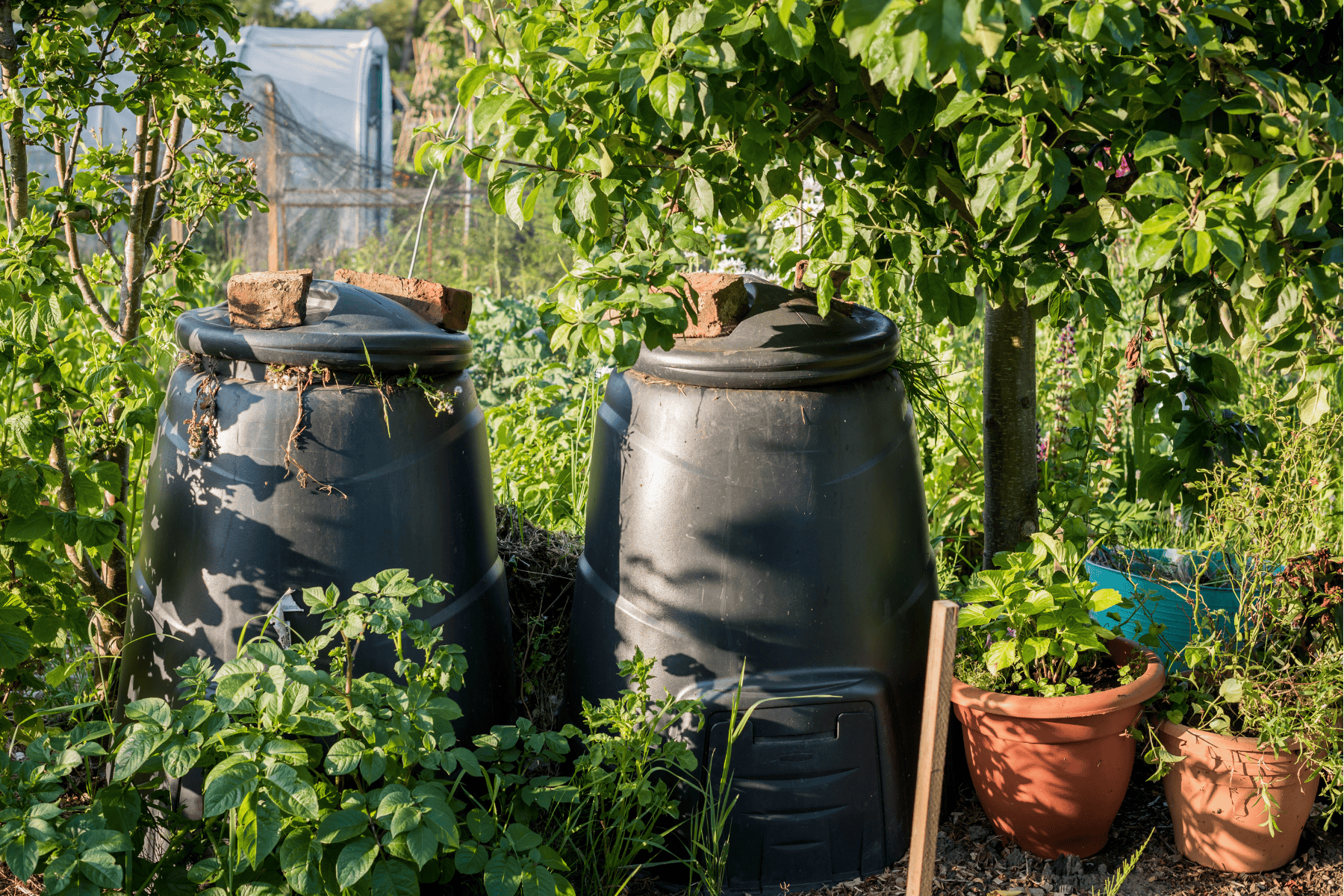
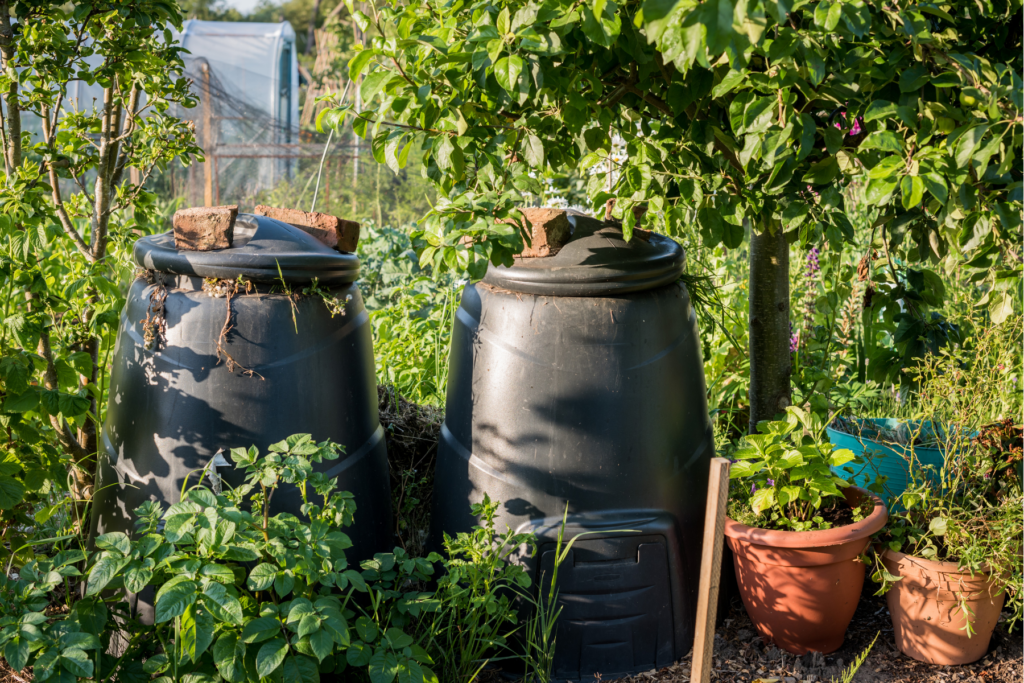
Compost bin
Traditional compost bins are inexpensive, easy to setup and maintain. To compost your food scraps, such as fruit and vegetable scraps, coffee grounds and tea bag/leaves (if they don’t contain plastic), simply add directly to your compost bin. Gardeners and maintenance workers can also add fresh garden clippings to the compost bin. Just remember the golden composting rule – always add an equal amount of brown matter (dried leaves, paper towels and cardboard etc) to the bin.
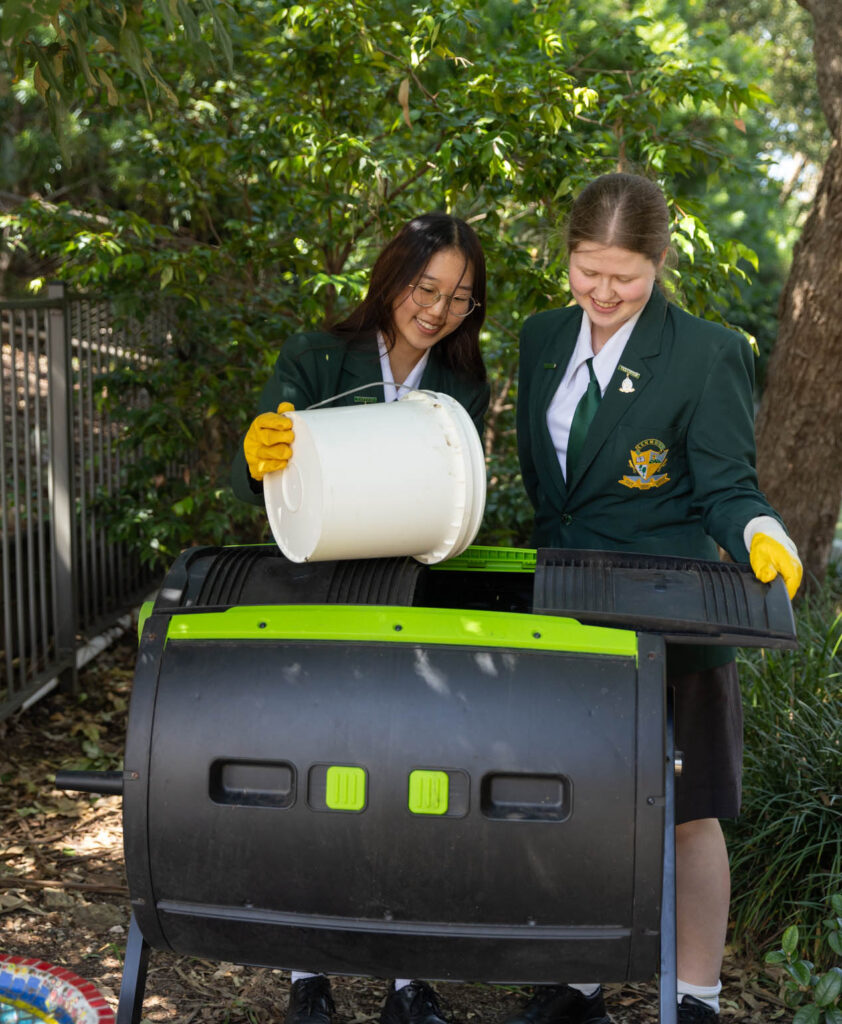
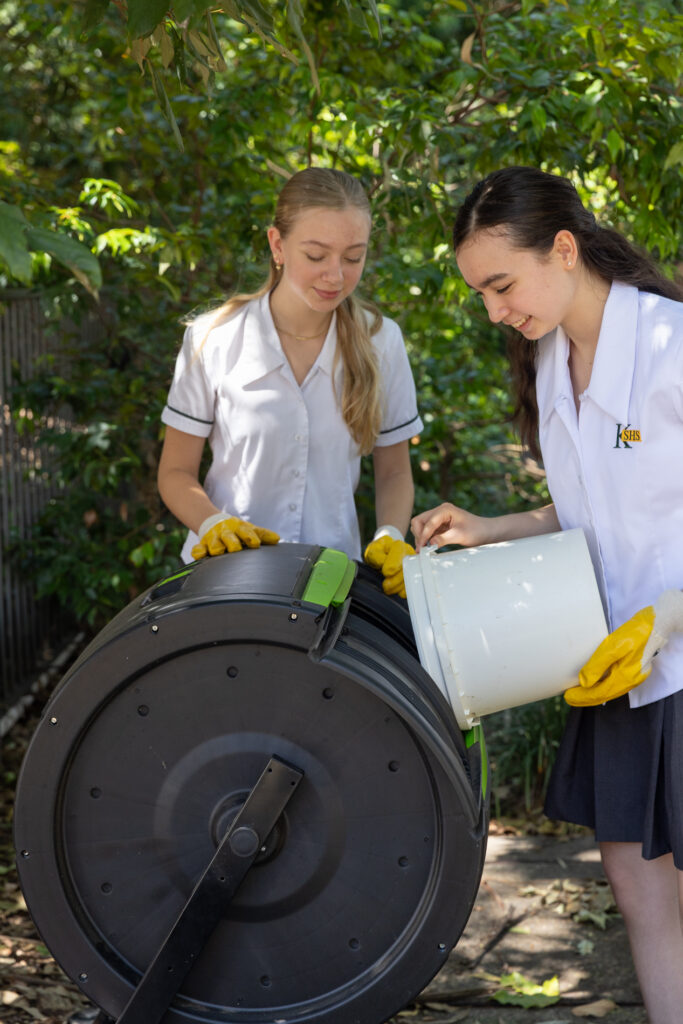
Compost tumblers
Compost tumblers are designed to make composting easier and more efficient. They allow for frequent turning, which speeds up the composting process and produces a more consistent product. Used similarly to the compost bins, you need to add an equal mix of green matter such as fruit and vegetable scraps, grass and garden clippings and brown matter such as dried leaves, paper towels and cardboard, shredded paper and dry grass clippings. Compost tumblers are ideal for smaller spaces and produce high-quality compost.
In-ground composters
In-ground composting units are designed to be buried in the ground, allowing for easy composting without taking up too much space. There are different types of in-ground composting units. To use, simply lift the lid and tip your food waste into the unit (they can take any type of food waste). The buried container acts as a digestion chamber, with holes that allow earth worms and soil microbes to enter and process the waste.
Worm farms
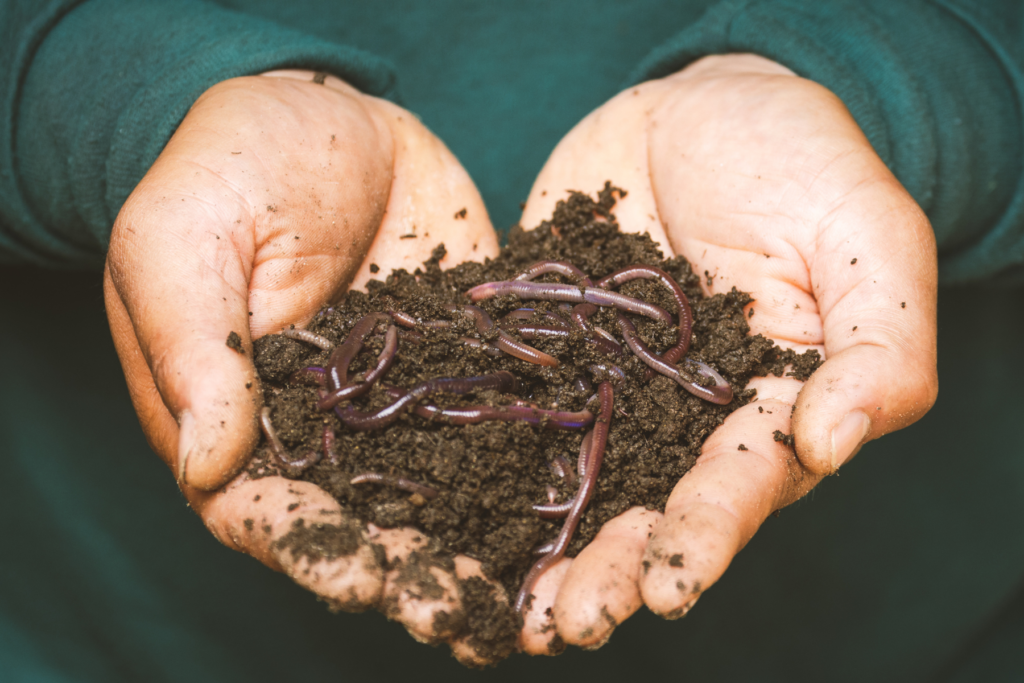
Worm farms, or vermicomposting, are layered systems (most commonly stacked plastic boxes) that use redworms to break down food waste into nutrient-rich compost and liquid worm juice or worm ‘tea’. Ideal for small spaces, worm farms produce a high-quality soil amendment and a liquid fertiliser that can be used in pot plants and garden beds. Worms can digest most fruit and vegetable scraps, however, they don’t favour citrus, chillies, onion or garlic scraps. Those food scraps are better suited for a compost bin. Make sure to also include just as much brown matter to your worm farm as food scraps. Brown matter includes unprocessed organic waste that isn’t necessarily food scraps, such as dried leaves, paper towel and cardboard, shredded paper and small amounts of dry grass clippings.
Steps to implementing your compost or worm farm
- Assess organic waste generation
- Determine the amount of organic waste produced by the school, including food scraps and garden waste. You can always start small with a few bins in a given classroom block or eating area, and expand from there once you’ve had a chance to test your systems.
- Choose your system
- Both compost bins and worm farms are available in various sizes and designs – if possible, DIY or buy second-hand to make your system even more sustainable!
- Establish Collection Points
- Set up designated areas for collecting organic waste from classrooms, tuckshops, and eating areas.
- Engage the School Community
- Involve students, staff, and parents in the process to foster a culture of sustainability.
- Monitor and Maintain
- Regularly check the systems for proper operation and address any issues promptly.
Keys to success
One of the most critical factors for a success composting or worm farm system is the buy-in and involvement of the whole school, especially students. It is all too common for schools with good intentions to set up their systems, only for things to fall down when nobody is sure who is supposed to collect scraps, empty the bins, or clean caddies etc., or how often these tasks should be done. Ensuring that all relevant stakeholders (teachers, cleaners, maintenance and garden staff, tuckshop workers, and students) are engaged and actively involved from the beginning will go along way to securing a successful composting and worm farm venture! Some questions to consider are:
Who will manage the compost system and who collects the bins?
This might be the student Green Team, maintenance staff, or nominated teacher/s. Ensure that more than one person is responsible so there is always back up.
How will the food for composting will be collected?
A food waste caddy or bin should be placed beside every rubbish bin in eating areas, tuckshop kitchens, and classrooms (where feasible). Bins should have lids and clear signage indicating what can and cannot be placed in the bins.
Where should the compost system or worm farm be located?
Ideally, compost systems should be on the soil in a warm, sunny, well drained location close to the garden/s where the compost will be used. Worm farms are more sensitive to heat and should be placed in the shade, sheltered from the elements where possible.