

Green Teams

Waste

How to start a Green Team in your school

How to start a Green Team in your school
Whether you’re a student passionate about the environment or a teacher keen to integrate sustainability into school life, starting a Green Team is a practical and inspiring way to make a difference.
Here’s a simple guide to help you get started—plus tips and a real-life case study from an Australian school leading the way.
Start your green team in 6 easy steps
Step 1: Get support
Start with conversations. Talk to a teacher, principal, or school staff member who might support your idea. Having a staff mentor is key—they can help with logistics, permissions, and connecting to school leadership.
Present your case. Prepare a short pitch or proposal explaining what the Green Team is, what you hope to achieve, and how it will benefit the school. Emphasise links to the Australian Curriculum, especially in areas like Science, HASS, and Civics and Citizenship.
Step 2: Gather a team
Recruit like-minded peers. Spread the word through school assemblies, newsletters, posters, or social media. You don’t need a huge group to start—just a handful of committed members.
Diversity matters. Aim for a mix of year levels, abilities, and backgrounds. Everyone can contribute, whether they’re good at organising, presenting, gardening, or designing posters.

Step 3: Set goals
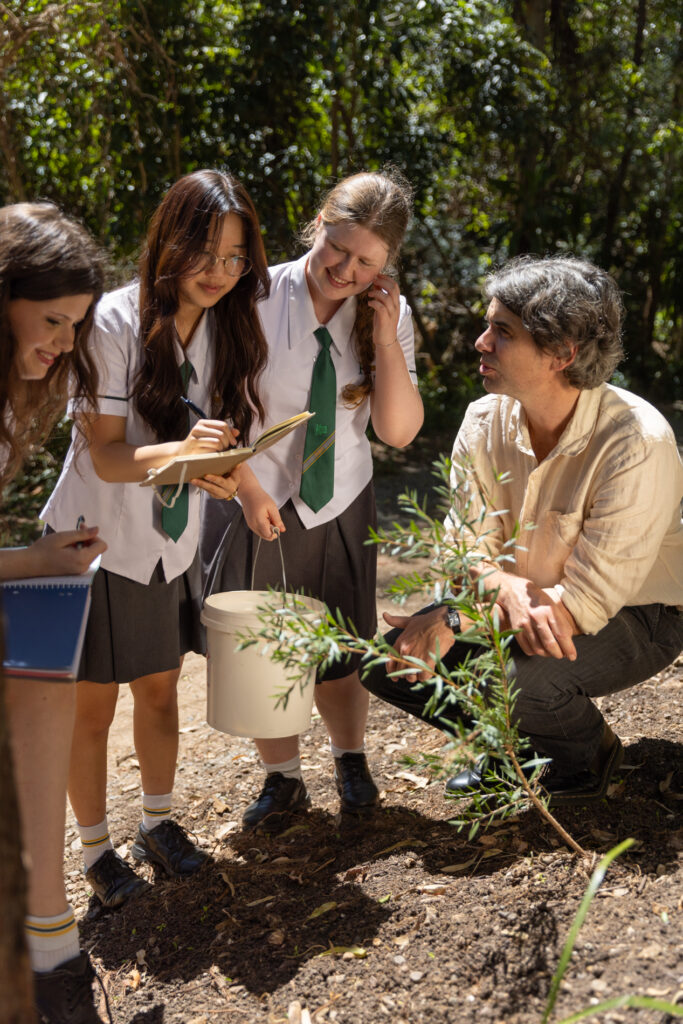
Start small and build. Begin with achievable goals, such as introducing recycling bins, organising a Clean-Up Day, or planting a veggie garden.
Make it measurable. Goals should be specific, such as “reduce lunchbox waste by 50% by the end of Term 2” or “plant 20 native trees by National Tree Day.”
Align with school values. Connect your goals with the school’s mission, wellbeing priorities, or curriculum themes.
Step 4: Plan activities
Create a sustainability calendar. Plan key events around national days like Earth Hour, National Tree Day, and Clean Up Australia Day.
Project ideas include:
- Waste audits and plastic-free lunches
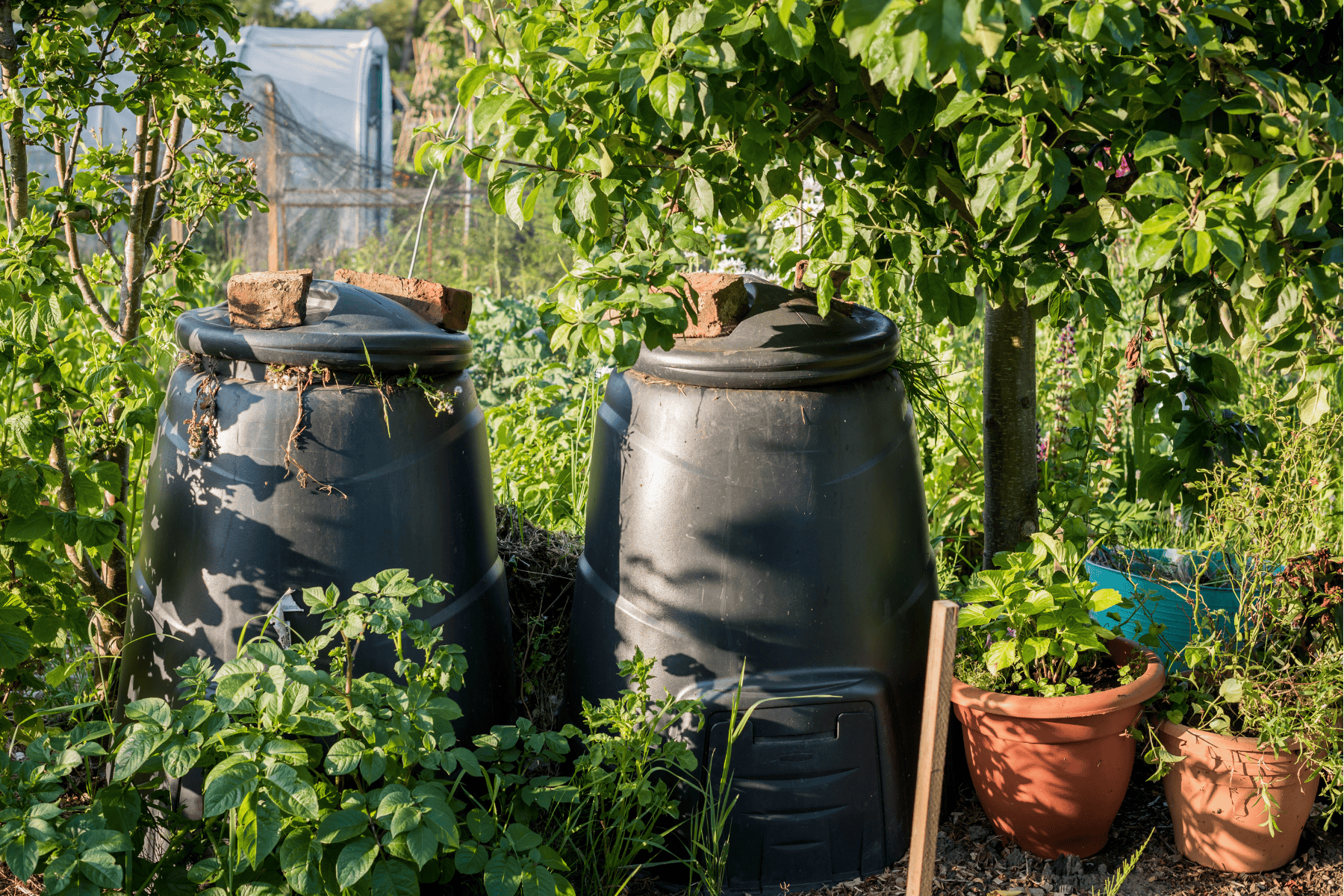
- Composting and worm farms
- Sustainable art projects
- Solar energy education
- Water conservation campaigns
Partner with local groups. Local councils, Landcare groups, and community gardens often offer support, resources, and expertise.
Step 5: Promote and educate
Raise awareness. Use school newsletters, assembly presentations, social media, and posters to share what the Green Team is doing.
Celebrate wins. Document progress with photos and stories. Celebrate achievements to keep motivation high and attract new members.
Involve the wider school. Run competitions, host workshops, and invite guest speakers to make sustainability part of everyday school life.
Step 6: Monitor and reflect
Keep track of progress. Keep simple records of what the team does, including numbers (e.g. waste reduction), reflections, and photos.
Review and improve. At the end of each term or year, reflect on what worked well and what could improve. Set new goals for the next stage.
Create a legacy. Prepare handover notes for new members, especially if older students are graduating, to ensure the team continues long term.

Final tips for success
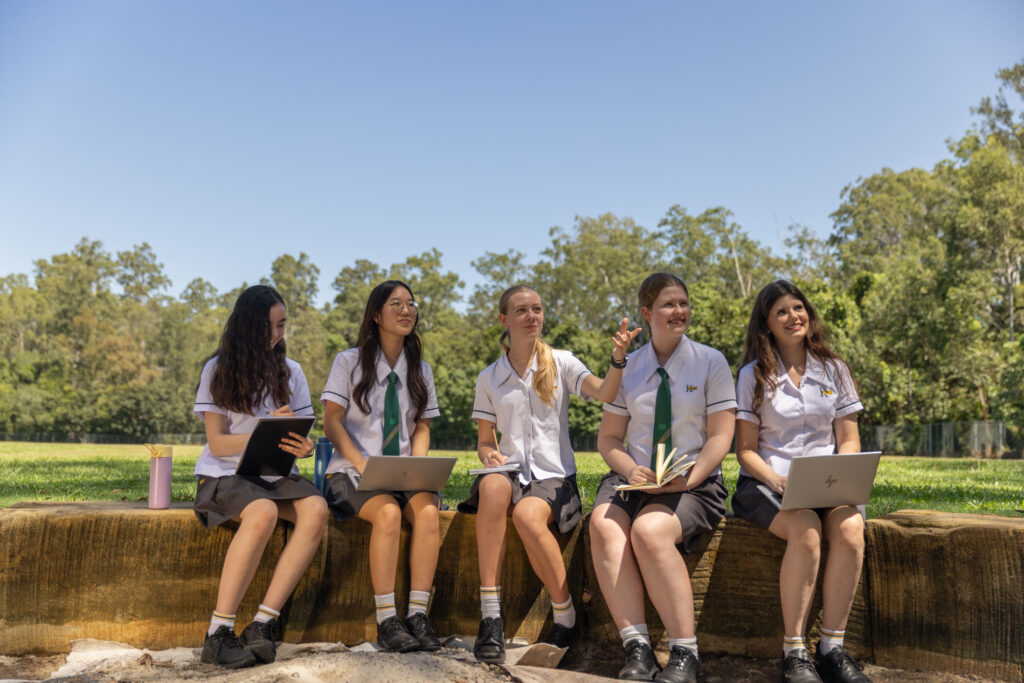
Keep it student-led. Adults are there to guide, not take over. Give students ownership for lasting impact.
Celebrate effort, not perfection. Progress is more important than doing everything perfectly.
Stay positive. Focus on solutions, hope, and action, rather than doom and gloom.
Starting a sustainability group in your school is not just about planting trees or sorting rubbish—it’s about empowering students, building community, and shaping a better future. With some planning, teamwork, and creativity, your Green Team can help your school become a beacon of environmental leadership.
Whether you’re starting small or dreaming big, now is the perfect time to take action. Your school—and the planet—will thank you.