

Energy-saving actions

Biodiversity

Energy-saving behaviour change initiatives

Save energy at your school
Australian schools are significant energy consumers, with primary schools averaging 542 kWh per student annually – with Queensland schools consuming higher than average amounts due to high demand for Summer cooling.
Behaviour change campaigns and initiatives can make a significant contribution to reducing energy consumption – they’re also great opportunities to engage students and tend to be low or no-cost.
Energy audits as a first step
Energy audits, even informal ones led by students or teachers, can identify unnecessary energy use and opportunities for savings. Your school doesn’t need to complete an energy audit to begin taking action, but they are a great starting point because they provide you with baselines for you to improve upon, and they can uncover the biggest cost-savings opportunities and the ‘low-hanging fruit’.


Implementing behaviour change campaigns
All behaviour change campaigns come with challenges – we humans are creatures of habit and energy use habits are often unconscious and automatic. Energy use is also ‘invisible’ (as opposed to waste, for example). Raising awareness through visual cues (e.g. posters, stickers) and communication campaigns in classrooms, assemblies and staff meetings can normalise energy-saving habits and provide important reminders and prompts. See below for ome tips to developing successful awareness and behaviour change campaigns:
Actively involve students
- Hands-on involvement ensures greater student engagement and ownership, and increases whole-school buy-in. Some activities students can lead or be involved in are:
- Track and present school energy data
- Design peer-awareness campaigns
- Conduct classroom energy audits, conduct spot-checks, and monitor progress
- Run “energy-free” days
- Advocate for school-wide behavioural pledges
Start small
- Instead of tackling every energy issue at once, choose a few targeted behaviours (e.g. turning off lights, shutting down computers). This keeps the campaign manageable and measurable.
Design Clear, Student-Created Signage
- Use bold colours and icons (e.g. lightbulb with a smile)
- Keep text to a minimum: (e.g. Lights Off When You Leave!)
- Place signs right where the action happens — next to light switches, monitors, or powerpoints
- Refresh designs regularly to keep people’s attention
Incorporate gamification
- Introduce a bit of friendly competitions between classrooms or year levels and reward winners
- Keep staff and students focused by concentrating challenges to a point in time (e.g. ‘Turn if off Tuesdays’, ‘Lights out lunchtimes’ or holding monthly challenges)


Low-Hanging Fruit: Quick Wins for Energy Reduction
While long-term investments in infrastructure (e.g. solar panels or double-glazed windows) can yield significant savings, schools can begin with ‘low-hanging fruit’ – actions that are relatively simple to implement and can provide short-term success to build momentum. See below for some ideas to get you started:
Use daylight: Encourage classes to make use of natural light where possible.
Switch-off campaigns: A simple campaign to turn off lights in empty rooms can save thousands of dollars per year.
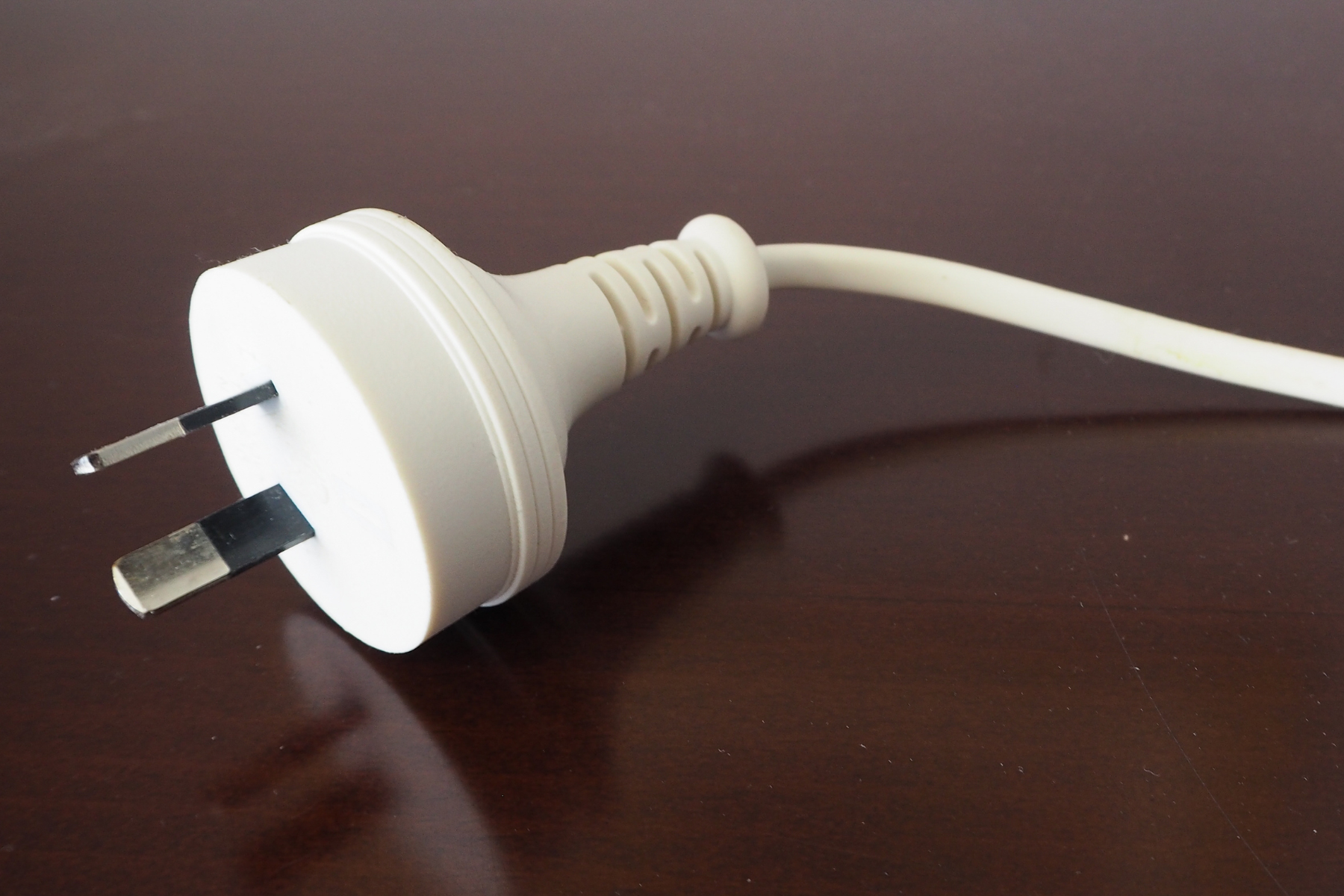
Turn off appliances at the wall: Many devices draw power even when switched off. These ‘phantom loads’ can account for up to 10% of a school’s electricity use.
Adjust temperature settings: Raising the cooling setpoint by 1°C or lowering the heating setpoint by 1°C can reduce energy use by 5–10%.
Close doors and windows: Prevent conditioned air from escaping.
Celebrate your wins and show impact
People are more likely to change their behaviour is they can see that their actions matter and are making a real impact. If your school has energy monitors, display energy dashboards in prominent places (like admin buildings, libraries, and popular common-use areas) to show real-time usage and celebrate savings.
Congratulate high-achieving classrooms or year levels to foster a friendly competitive spirit and motivate your staff and students.
Australian schools are ideally placed to lead by example in energy conservation. By targeting both structural and behavioural changes—and starting with simple, cost-effective actions—schools can significantly lower their energy use, reduce operating costs, and instil lasting environmental values in the next generation. With student involvement at the core, these efforts become educational, empowering, and enduring.