

Sustainable Stationary Hacks

Waste

Reducing Waste in the Classroom
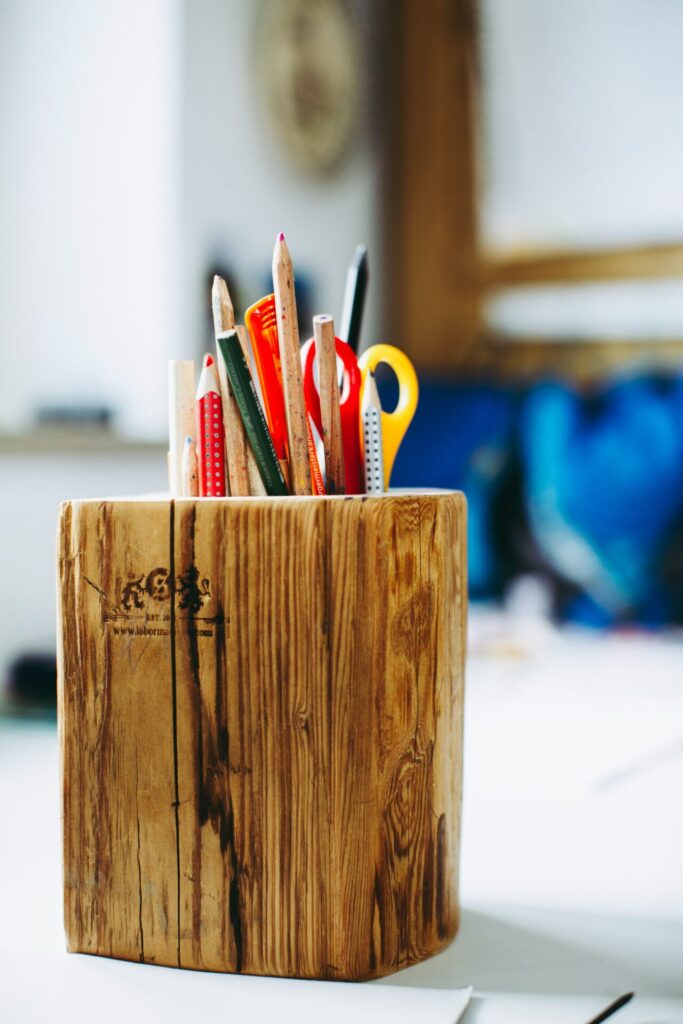
Use It Up Before Tossing It
Before buying new stationery, take a moment to check what’s already in your pencil case or desk. It’s surprisingly common for students to replace items before they’ve been fully used.
- Pencils should be sharpened regularly to avoid breakage and used all the way before being swapped for new ones.
- Pens and markers often get misplaced or tossed too early; encourage students to keep track of their items and finish the ink – you can even make it a team challenge.
- Glue sticks and correction tape last longer than expected when used carefully – make sure to store correctly so that they don’t dry out.
- Reduce: Many stationery items can serve more than one purpose. You could reuse printed pages as scrap paper or for drafts, or even reuse old folder inserts for extras in new folders. Thinking creatively can extend the life of supplies and cut down on unnecessary purchases.
- Reuse: While many items will need to be repurchased each year, items such as scissors, rulers, calculators and sometimes binders can be used for multiple school years. The end of the school year is a great time to go through supplies and see which sturdy items you can use again.
- Recycle: If you can’t use your items anymore – maybe someone else can! Whether its in your classroom or its donated to an organisation like Stationary Aid, you can give most items a second life.
These small habits not only reduce waste but also help develop a sense of responsibility and care for one’s belongings.
Label Wisely and Thoughtfully
Mindful labelling can help keep stationery organised and extend its usefulness across multiple subjects or school years.
- Use clear and simple labels that describe purpose or subject without being overly specific.
- Consider using erasable pens, pencil labels or removable stickers so items can be easily repurposed.
- Encourage students to label their supplies to avoid loss and mix-ups in classrooms or encourage return stations in classrooms where items are communal.
Planning labels with versatility in mind prevents unnecessary relabelling and helps students build organisational skills.

Every Little Bit Counts
By embedding these habits into everyday classroom routines, schools and families can promote sustainability in a way that feels achievable and practical. Every sheet of paper saved or pen reused adds up over time and teaches students valuable lessons about conscious consumption and environmental care.