


‘Meat-Free Mondays’

Other
Bringing ‘Meat-Free Mondays’ to Australian school tuckshops
‘Meat-Free Mondays’
One simple yet impactful initiative gaining momentum is ‘Meat-Free Mondays’ – a global movement encouraging people to reduce meat intake by going vegetarian one day a week. School tuckshops, being central to student nutrition, are an ideal place to lead this change.
Why go Meat-Free on Mondays?
The environmental benefits of reducing meat consumption are well-documented. Livestock farming is a major contributor to greenhouse gas emissions, deforestation, and water use. By offering meat-free meals once a week, schools can significantly lower their carbon footprint and educate students about sustainable food choices.
There are also health benefits. A balanced vegetarian meal can reduce the risk of chronic diseases and help students discover new, nutrient-rich foods. Implementing ‘Meat-Free Mondays’ in tuckshops also promotes inclusivity for vegetarian, vegan, and certain religious dietary needs.

Steps to implement ‘Meat-Free Mondays’ in your school
Gain support from the school community
The first step is getting buy-in from key stakeholders—principals, tuckshop managers, canteen volunteers, parents, and students. Start with an information campaign highlighting the environmental, health, and ethical benefits. Share success stories from other schools and provide data showing the positive impacts of reducing meat consumption.
Collaborate with tuckshop staff and nutritionists
Work closely with tuckshop managers and qualified nutritionists to design balanced, appealing vegetarian menus. The meals should meet the Australian Dietary Guidelines and align with school food policies. Aim for dishes that are familiar yet plant-based, such as:
- Vegetable pasta bake
- Lentil tacos
- Falafel wraps
- Stir-fried noodles with tofu
- Pumpkin soup with wholegrain bread
Introduce taste-test sessions to gauge student preferences and encourage participation in meal planning. This helps ensure the new offerings are both nutritious and well-received.
Make it fun and educational
Pair ‘Meat-Free Mondays’ with themed activities or lessons. For example, use Monday assemblies to share quick facts about the planet, or have classroom discussions about food systems and sustainability. Consider student competitions for designing the best meat-free recipes or posters promoting the initiative.
Involving students makes the initiative more engaging and instils a sense of ownership and pride in making eco-friendly choices.
Promote the initiative widely
Clear communication is key. Use newsletters, social media, school websites, and canteen boards to announce ‘Meat-Free Mondays’. Be transparent about the goals and invite feedback.
Parents should be informed in advance so they can support the initiative at home. Encourage them to pack complementary meat-free lunches on Mondays, aligning lunchboxes with the tuckshop’s mission.
Start small and build gradually
If an all-out Monday change feels too sudden, start with one meat-free item and expand based on feedback. Trial periods help iron out logistical issues and give the school community time to adjust.
Schools can also align the initiative with national events like National Nutrition Week or World Environment Day to boost participation and visibility.
Overcoming challenges
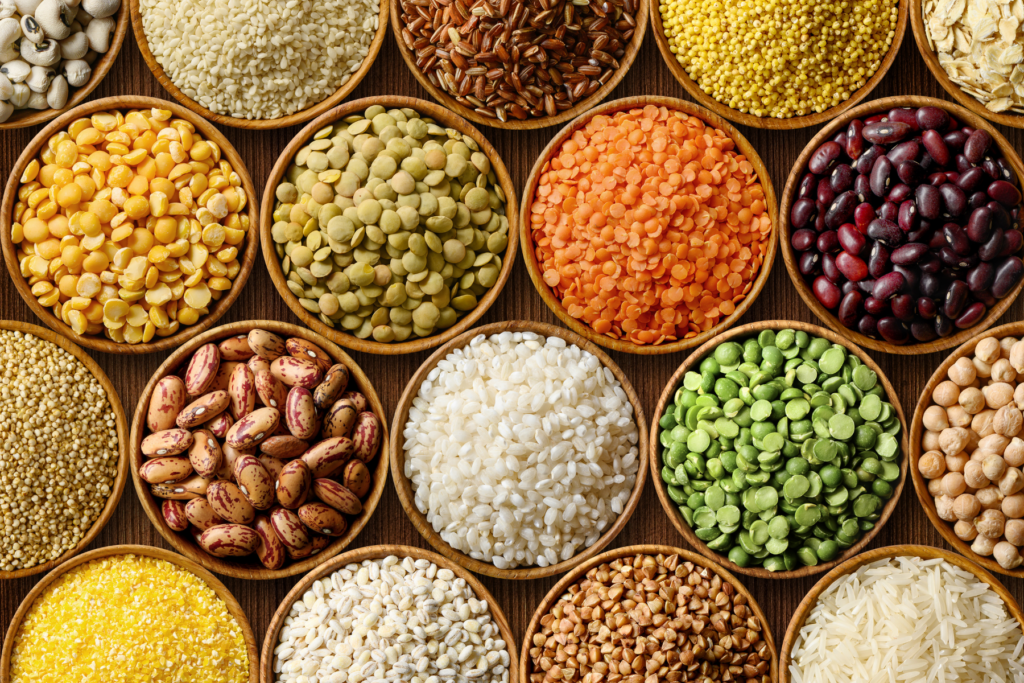
A common concern is whether students will accept meat-free meals. The key is offering tasty, filling options that don’t feel like a compromise. Ensuring protein-rich ingredients—like legumes, eggs, dairy, tofu, and whole grains—will keep meals satisfying and nutritious.
Cost can also be a factor, but many vegetarian ingredients are affordable and shelf-stable, potentially reducing tuckshop spending in the long term.
Implementing ‘Meat-Free Mondays’ in Australian school tuckshops is a practical, impactful way to support health, sustainability, and student awareness. With thoughtful planning, community involvement, and delicious food, schools can lead by example and inspire a new generation to make choices that benefit both people and the planet.