


How to create a water-efficient school garden

Water
How to create a water-efficient school garden

Choose the right plants
Start by selecting native and drought-tolerant plants. These species are adapted to local conditions and require less watering once established. Involve students in researching and choosing plants that are both water-efficient and suitable for your climate. Herbs like rosemary, thyme, and oregano are great low-water options that also tie into cooking and science lessons.
Water at the right time
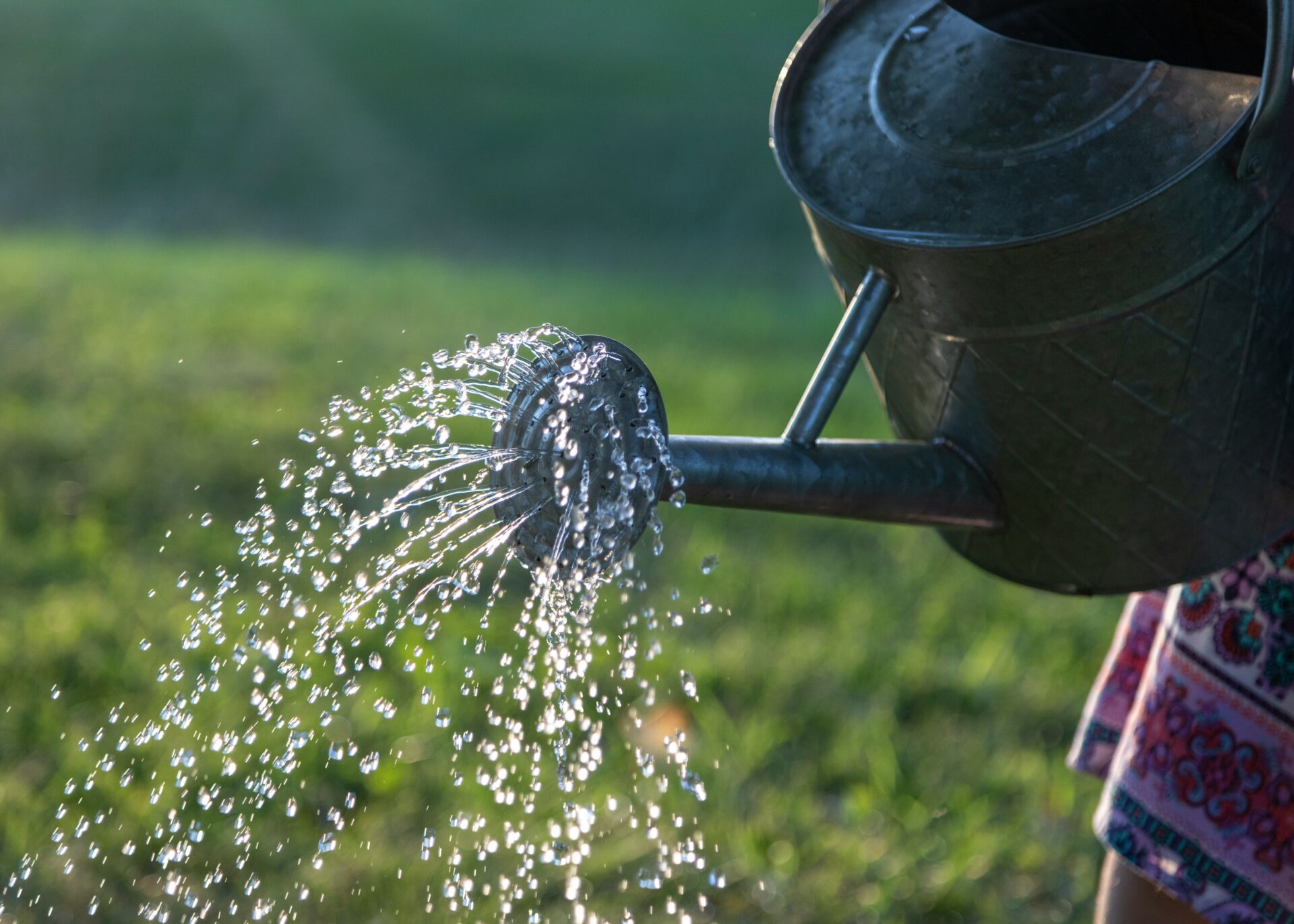
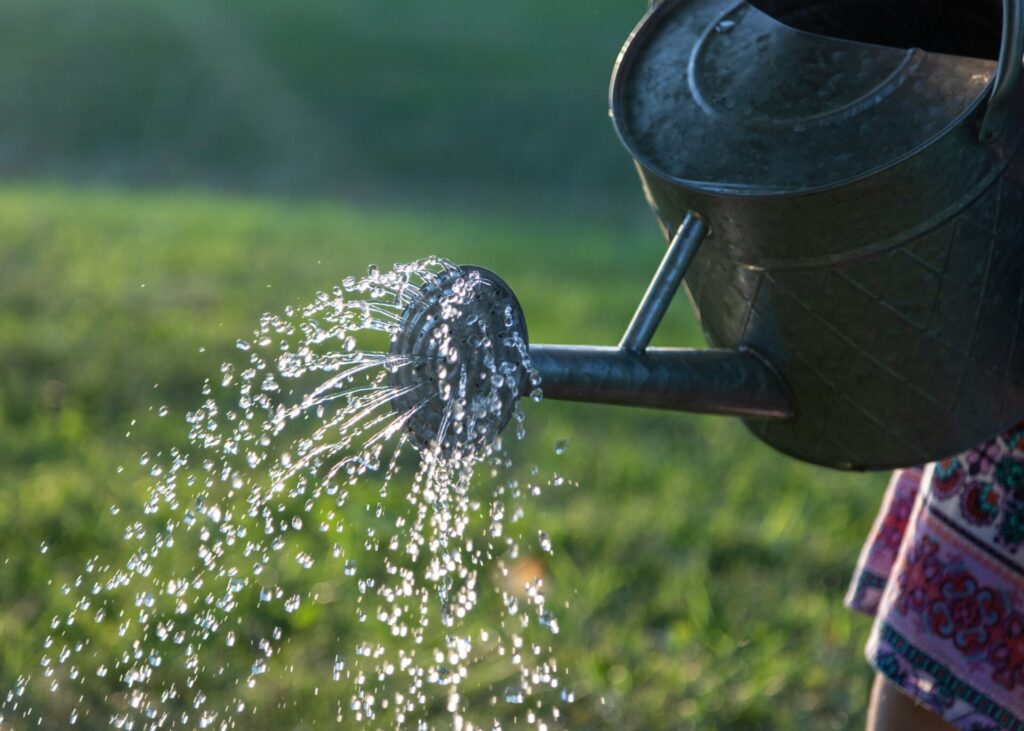
Encourage watering early in the morning or late in the afternoon to reduce evaporation. Assign student garden monitors to help with watering routines, and use this as a chance to teach about the water cycle and plant needs. Staff can help coordinate rosters and ensure consistency during busy periods.
Use mulch and compost
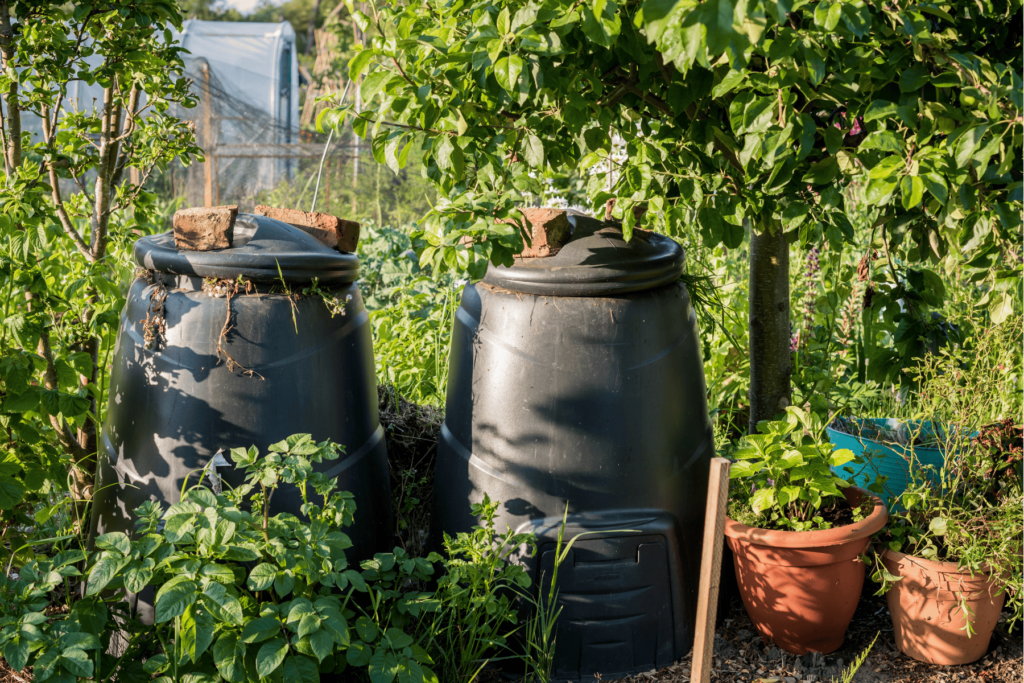
Applying mulch around plants helps retain soil moisture and suppress weeds. Students can help spread mulch and learn how it supports healthy soil. Composting food scraps from the classroom or staffroom not only reduces waste but also improves soil structure and water retention.
Install rainwater tanks
If your school has the resources, installing a rainwater tank is a great way to collect and reuse water for the garden. Students can help monitor water levels and learn about rainfall patterns and water storage. Staff can support by integrating this into science or geography lessons.

Make it a learning experience
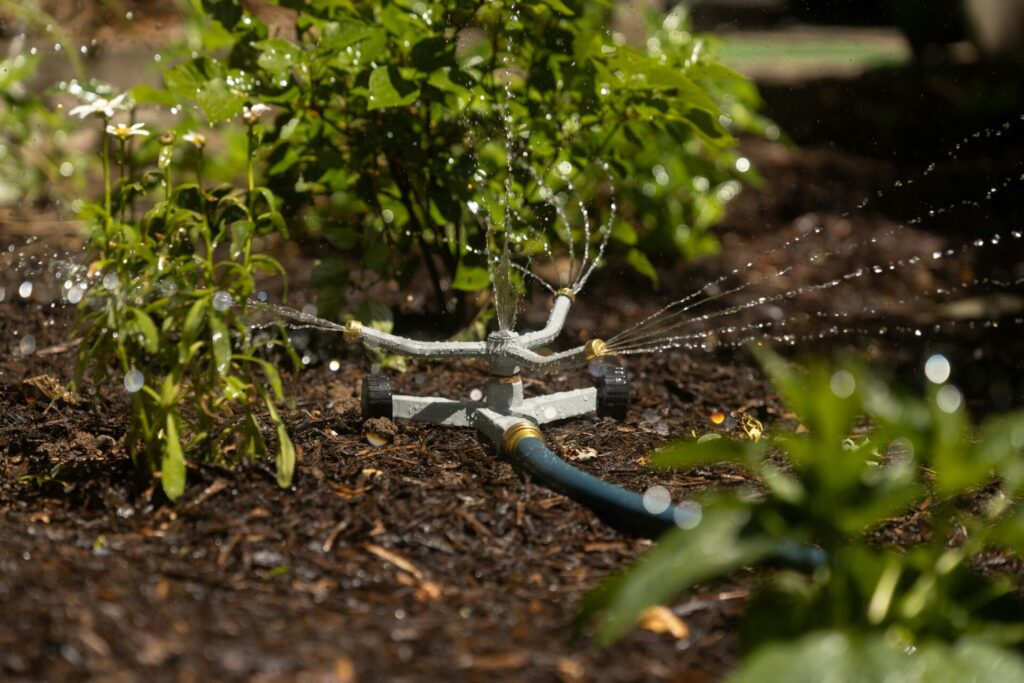
Turn water conservation into a cross-curricular opportunity. Track water usage, measure rainfall, or calculate how much water is saved through mulching. Celebrate milestones and share progress in newsletters or assemblies to keep the whole school community engaged.


